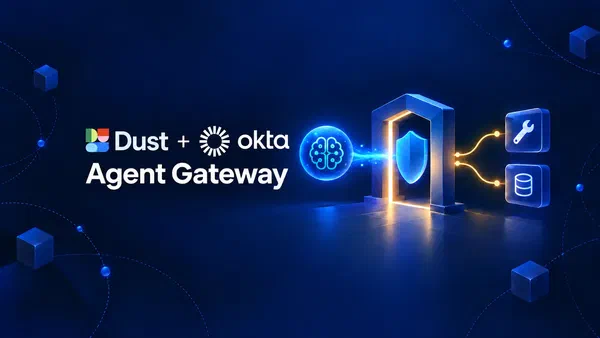
Following my Blueprint Alliance article, this guide turns the role of an Agent Gateway into a concrete configuration example. Connect Dust to MCP servers through Okta, configure user access and Static OAuth, select the tools to expose, and trace requests back to both the agent and its user.
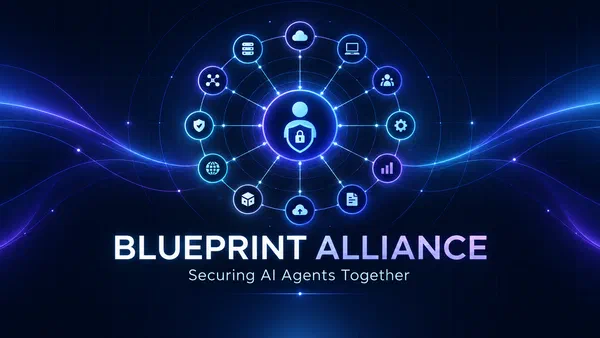
Okta’s original agentic enterprise blueprint has grown into the Blueprint Alliance, bringing identity, cloud, AI, data, application and security vendors around a shared reference architecture. Here is what changed, how its four questions shape agent governance, and what architects should test before adopting the model.
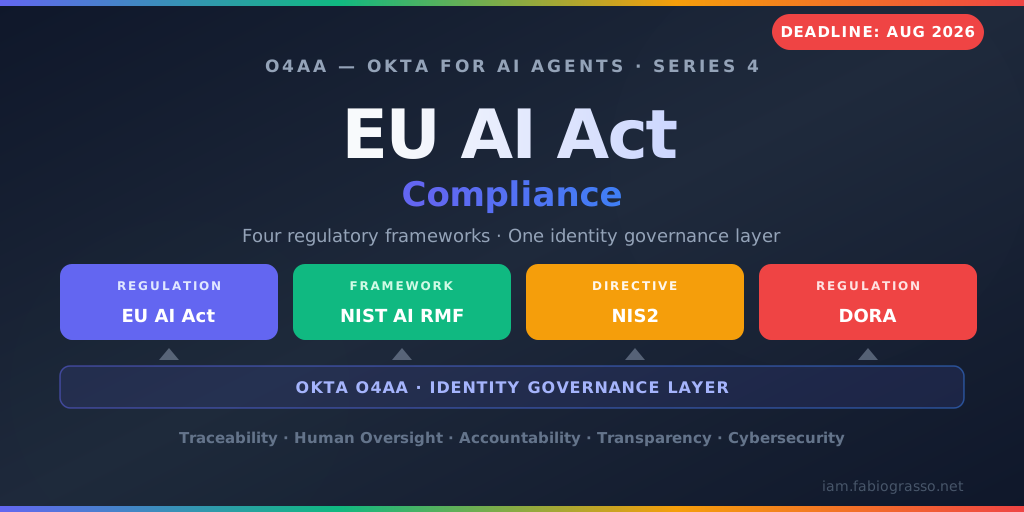
EU AI Act, NIST AI RMF, NIS2, DORA: four regulatory frameworks, one identity layer. How Okta’s O4AA blueprint maps to every compliance requirement before the August 2026 deadline.
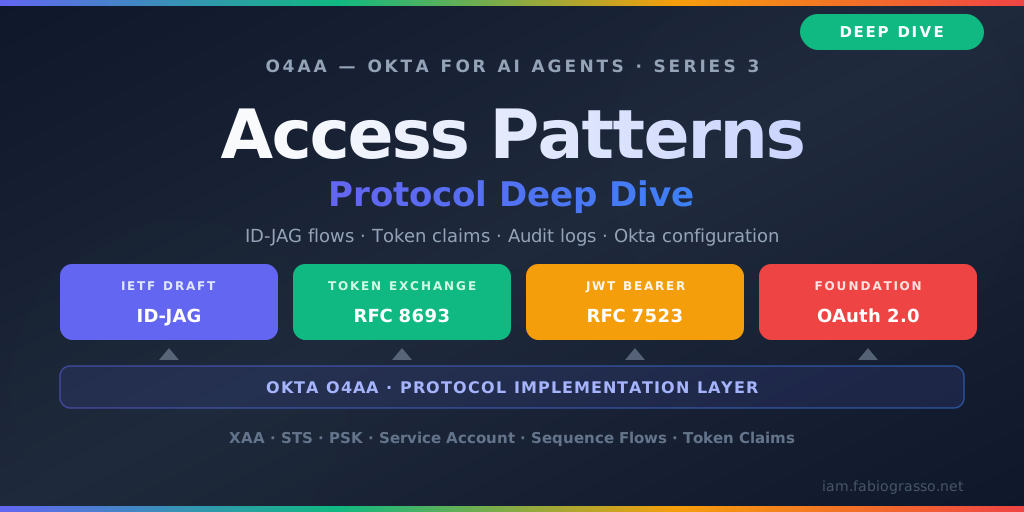
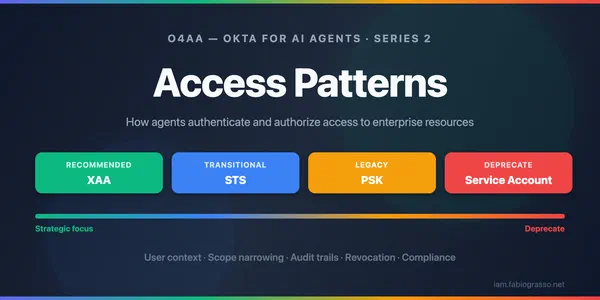
Protocol-level deep dive into the four Okta for AI Agents access patterns: ID-JAG token structure, sequence diagrams, audit log examples, and step-by-step Okta configuration for XAA, STS, PSK, and Service Account.
A strategic overview of the four access patterns for AI agent integrations — XAA, STS, PSK, Service Account — with a comparison matrix, decision framework, and migration roadmap. Companion deep dive covers protocol details and Okta configuration.
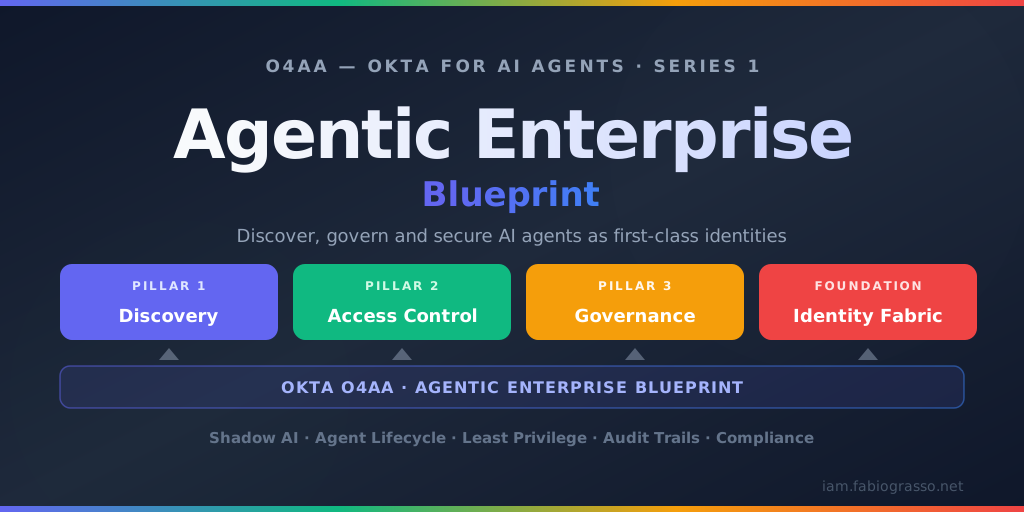
Okta’s Showcase 2026 unveils the Agentic Enterprise Blueprint: a comprehensive framework to discover, govern, and secure AI agents as first-class identities, addressing the emerging shadow AI crisis and regulatory compliance requirements.
Who will guard the guards themselves? A critical analysis of vendor lock-in risks in IAM and the advantages of an agnostic approach based on Identity Fabric and open standards.
Analysis of 2024 banking cyber incidents (+45%) according to Banca d’Italia report and the Identity Fabric strategy for operational resilience in the Italian and European financial sector.