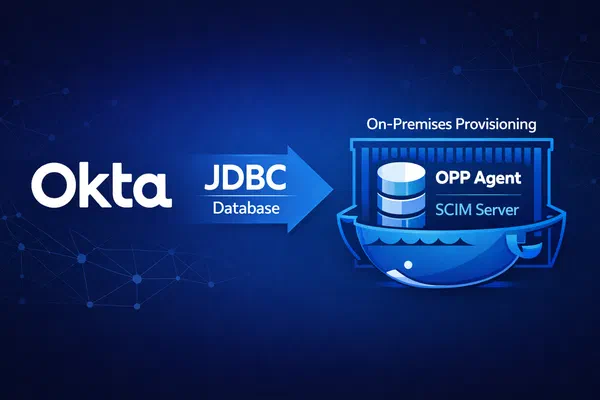
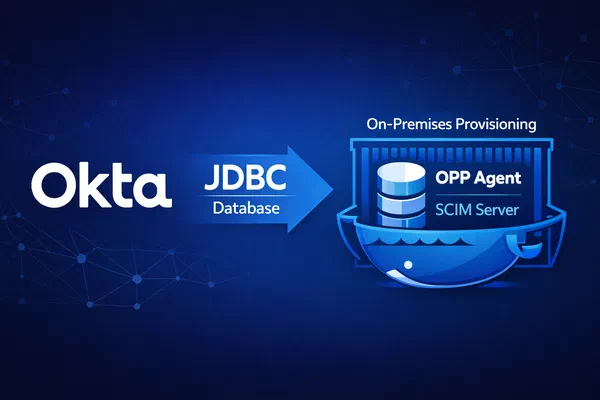
Comprehensive guide to deploying Okta’s new consolidated On-Prem SCIM Agent and Generic Database Connector using Docker Compose. Covers architecture, setup, configuration, stored procedures, entitlement management, and testing workflows for bridging Okta with on-premises databases.
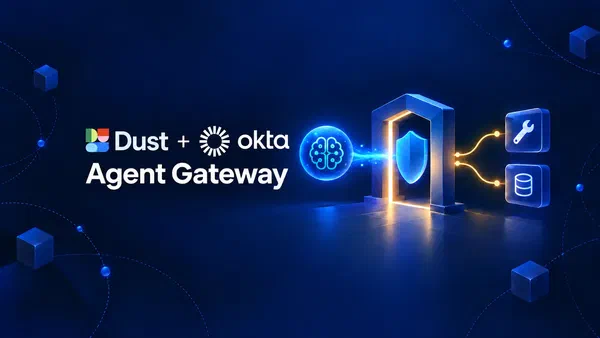
Following my Blueprint Alliance article, this guide turns the role of an Agent Gateway into a concrete configuration example. Connect Dust to MCP servers through Okta, configure user access and Static OAuth, select the tools to expose, and trace requests back to both the agent and its user.
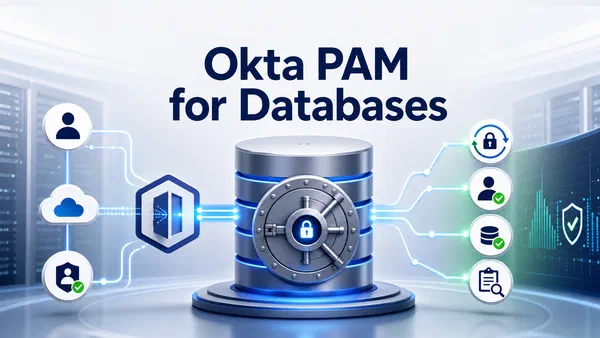
How Okta Privileged Access database integrations discover privileged database accounts, vault and rotate their credentials, and expose checkout through policies with MFA or approvals. The guide explains the Early Access architecture, required gateway role, account rules, and a ready-to-run Docker lab with MySQL, DBGate, and an Infrastructure Orchestrator gateway.
On June 18, 2016, I received my first email from an Okta tenant. Ten years later, after Factor-y, the first projects in Italy, the move to France, and the evolution of the platform, I wanted to pause for a moment and reflect on what it has meant to grow with this technology and with the people who made it special.
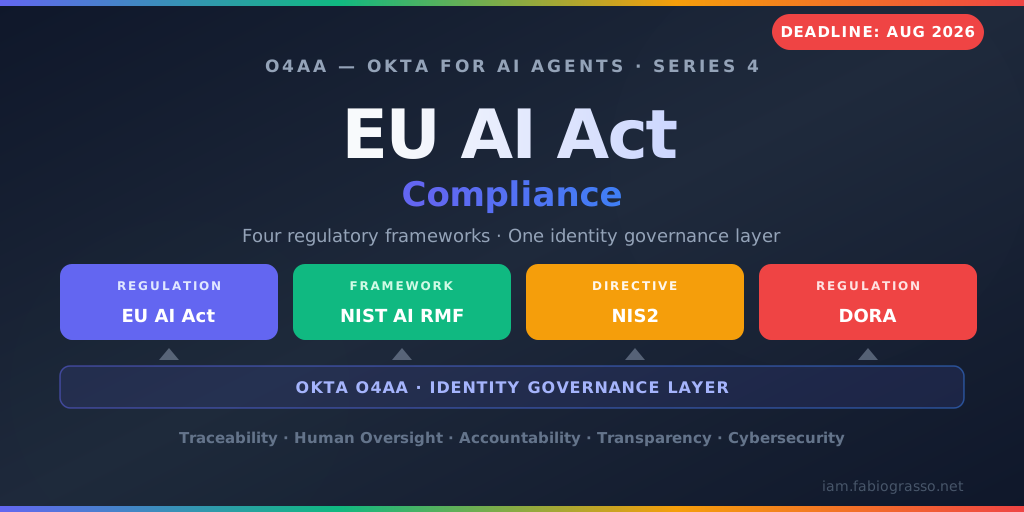
EU AI Act, NIST AI RMF, NIS2, DORA: four regulatory frameworks, one identity layer. How Okta’s O4AA blueprint maps to every compliance requirement before the August 2026 deadline.
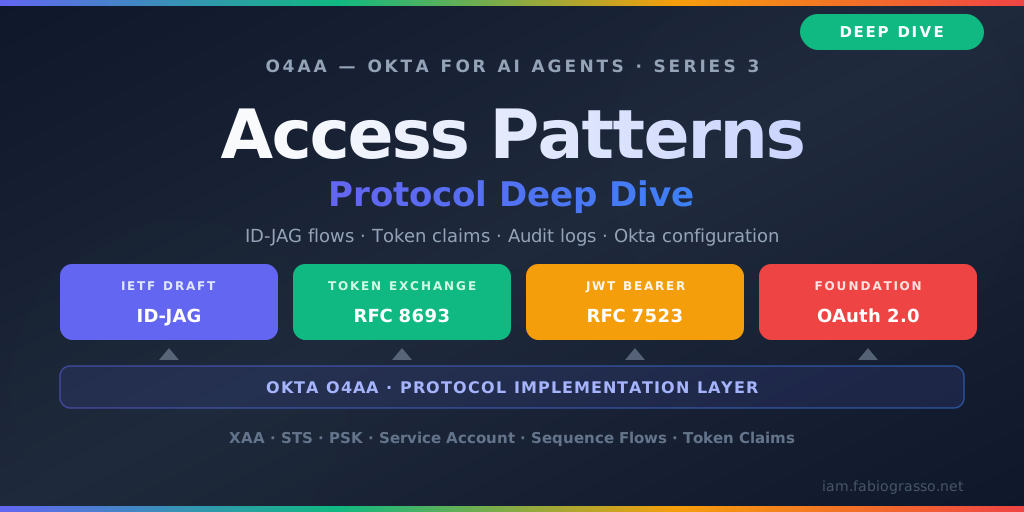
Protocol-level deep dive into the four Okta for AI Agents access patterns: ID-JAG token structure, sequence diagrams, audit log examples, and step-by-step Okta configuration for XAA, STS, PSK, and Service Account.
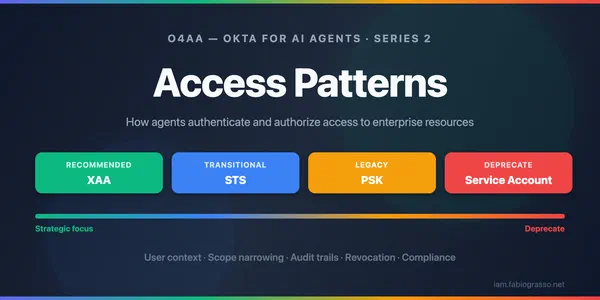
A strategic overview of the four access patterns for AI agent integrations — XAA, STS, PSK, Service Account — with a comparison matrix, decision framework, and migration roadmap. Companion deep dive covers protocol details and Okta configuration.
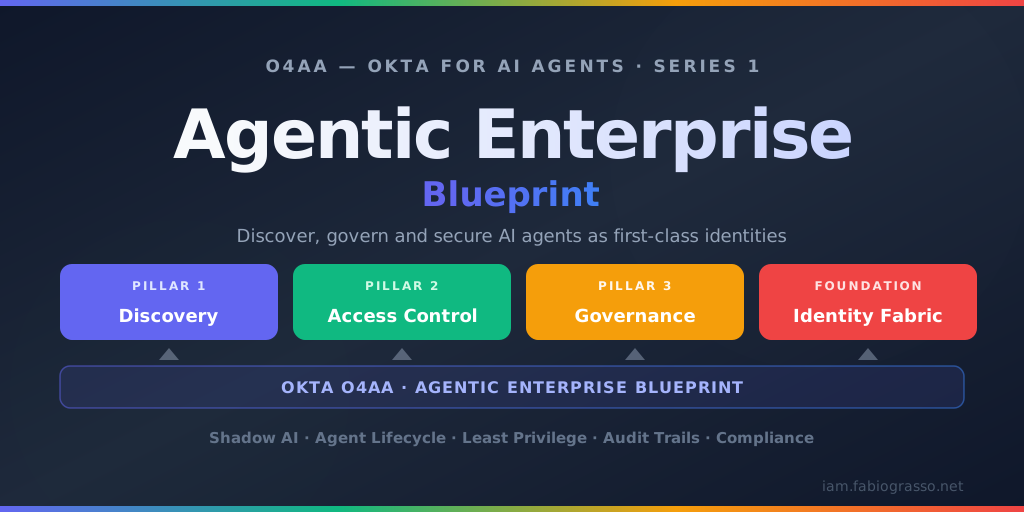
Okta’s Showcase 2026 unveils the Agentic Enterprise Blueprint: a comprehensive framework to discover, govern, and secure AI agents as first-class identities, addressing the emerging shadow AI crisis and regulatory compliance requirements.
Who will guard the guards themselves? A critical analysis of vendor lock-in risks in IAM and the advantages of an agnostic approach based on Identity Fabric and open standards.