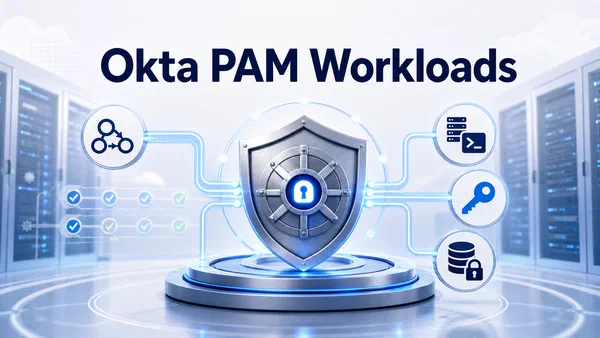
Okta Privileged Access Workloads lets CI/CD pipelines, infrastructure automation, cloud workloads, scripts, and AI agents authenticate using platform-signed OIDC tokens or managed API keys. This article explains workload connections, roles, policies, Principal SSH access, and secret retrieval, with a GitHub Actions lab demonstrating both SSH and secret reveal. It also covers static JWKS support for JWT workload connections.
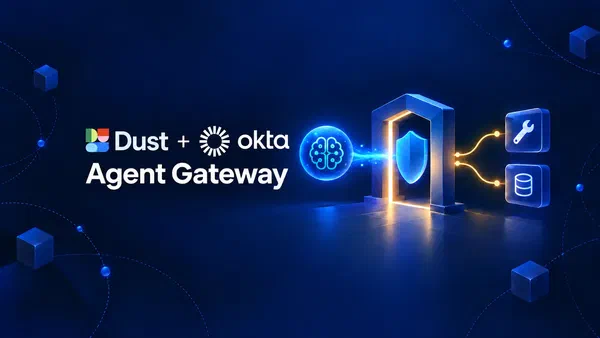
Following my Blueprint Alliance article, this guide turns the role of an Agent Gateway into a concrete configuration example. Connect Dust to MCP servers through Okta, configure user access and Static OAuth, select the tools to expose, and trace requests back to both the agent and its user.
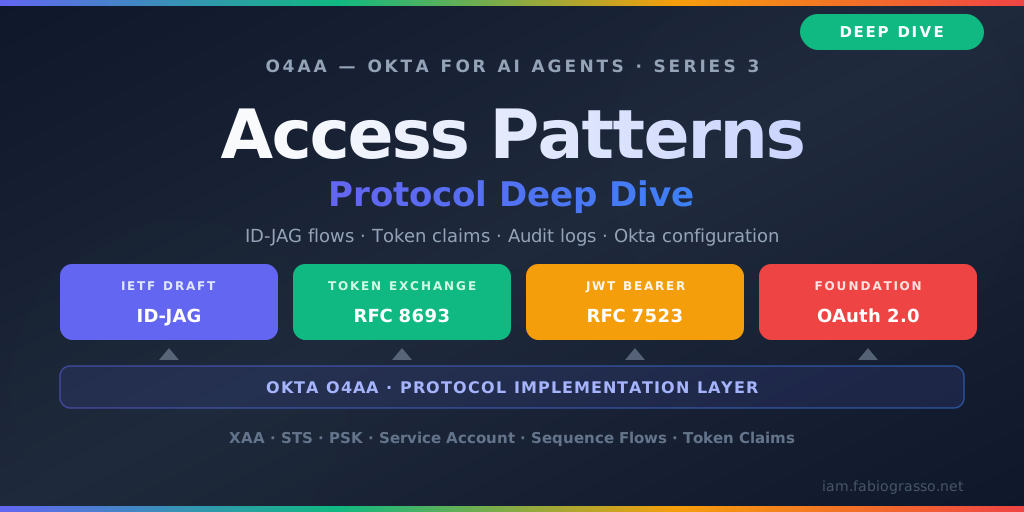
Protocol-level deep dive into the four Okta for AI Agents access patterns: ID-JAG token structure, sequence diagrams, audit log examples, and step-by-step Okta configuration for XAA, STS, PSK, and Service Account.
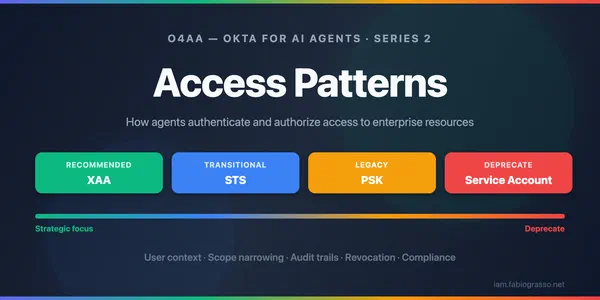
A strategic overview of the four access patterns for AI agent integrations — XAA, STS, PSK, Service Account — with a comparison matrix, decision framework, and migration roadmap. Companion deep dive covers protocol details and Okta configuration.
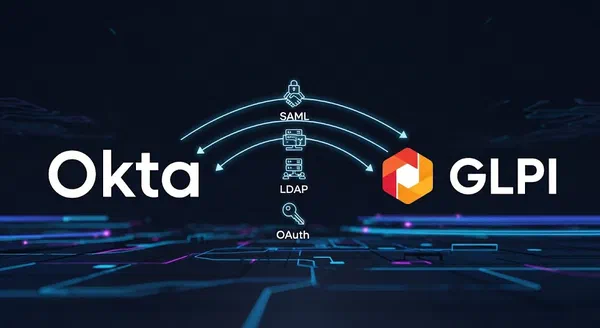
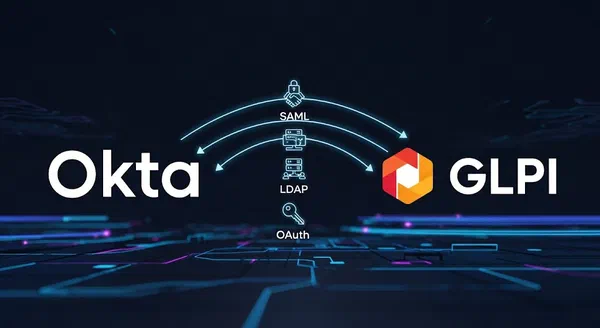
How to integrate GLPI 11, an open-source IT service management platform, with Okta for SSO. It covers running a GLPI test environment via Docker, LDAP and SAML configuration walkthroughs, and notes on OAuth/OIDC with commercial plugins. The guide highlights user import, authentication options, demo readiness, and security limitations for non-production use.
Who will guard the guards themselves? A critical analysis of vendor lock-in risks in IAM and the advantages of an agnostic approach based on Identity Fabric and open standards.
How to integrate GLPI, an open-source IT service management platform, with Okta for SSO. It covers running a GLPI test environment via Docker, LDAP and SAML configuration walkthroughs, and notes on OAuth/OIDC with commercial plugins. The guide highlights user import, authentication options, demo readiness, and security limitations for non-production use.